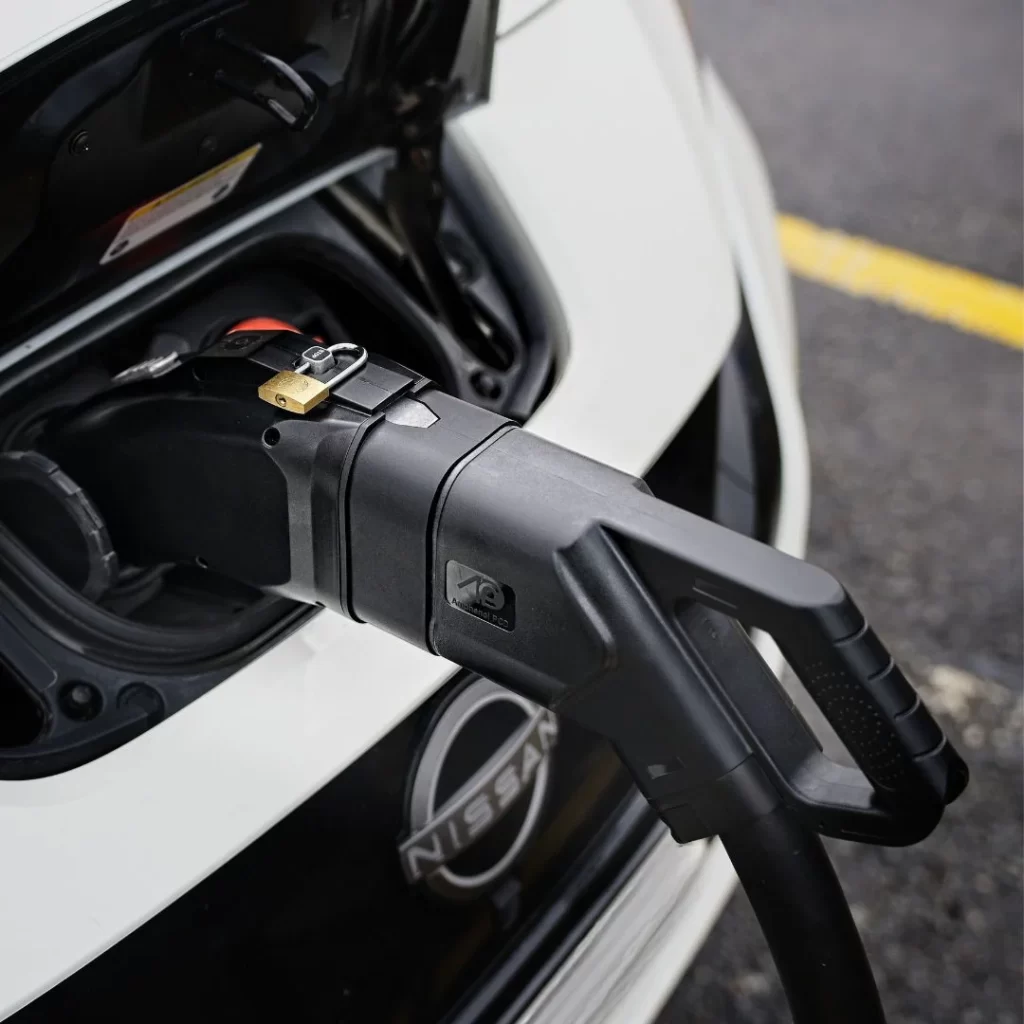
A CCS-to-CHAdeMO adapter works with most modern CCS charging stations, but compatibility is not universal. The adapter enables CHAdeMO vehicles to access the expanding CCS charging network, though charging speeds may be limited and some older stations might not support the adapter protocol. Success depends on the charging station’s firmware, power output capabilities, and the specific adapter’s quality.
What exactly is a CCS-to-CHAdeMO adapter and how does it work?
A CCS-to-CHAdeMO adapter is a device that bridges two different fast-charging standards, allowing CHAdeMO vehicles to charge at CCS stations. The adapter translates the complex CCS communication protocol into the simpler CHAdeMO language that your vehicle understands, enabling cross-compatibility between these charging systems.
The technical challenge lies in the protocol translation. CCS charging involves multiple communication phases and advanced safety mechanisms, while CHAdeMO uses a more straightforward approach. The adapter contains sophisticated electronics that manage this translation in real time, ensuring safe power delivery while maintaining proper communication between the charging station and your vehicle.
Modern adapters support voltages up to 1000 V and currents up to 200 A, though actual charging speeds depend on both your vehicle’s capabilities and the charging station’s output. The adapter includes safety features such as IP54 weather protection and operates in temperatures from -30°C to +50°C, making it suitable for various European climate conditions.
Which charging stations are compatible with CCS-to-CHAdeMO adapters?
Most modern CCS fast-charging stations support adapter use, including major networks such as Ionity, Tesla Superchargers (with adapters), ABB, and Kempower stations. However, charging station compatibility depends on the station’s firmware version, power management system, and communication protocol implementation.
Public fast-charging networks generally offer the best compatibility, particularly newer installations from 2020 onwards. These stations typically feature updated firmware that recognises adapter communication patterns. Older charging stations, especially those installed before 2018, may have limited or no adapter support due to outdated communication protocols.
Power output requirements also affect compatibility. The adapter works best with stations offering 50 kW to 150 kW output, though some high-power 350 kW stations may limit charging speeds when used with adapters. Home charging solutions are not typically relevant here, as CCS-to-CHAdeMO adapters are designed specifically for DC fast-charging applications, not AC charging.
Network-specific compatibility varies. Some charging networks require firmware updates to work properly with adapters, while others support them immediately. It is worth checking with specific charging networks about their adapter policies before relying on them for long journeys.
What are the main limitations when using a CCS-to-CHAdeMO adapter?
Charging speed limitations represent the primary constraint when using adapters. Most adapters cap charging speeds at around 50–70 kW, regardless of your vehicle’s maximum charging capability or the station’s power output. This means longer charging sessions compared to native CHAdeMO stations.
Temperature considerations significantly affect adapter performance. Extreme cold or heat can reduce charging efficiency or trigger safety protocols that slow charging speeds. The adapter’s operating range of -30°C to +50°C covers most European conditions, but performance may vary at temperature extremes.
Communication timeouts occasionally occur, particularly with older charging stations or during firmware mismatches. These issues typically resolve by unplugging and reconnecting, but they can add time to your charging session. Some charging networks also implement adapter-specific limitations or require special activation procedures.
Physical compatibility varies between vehicle models. While Nissan Leaf vehicles generally show excellent adapter compatibility, other CHAdeMO vehicles may experience different success rates. The adapter’s effectiveness depends partly on your vehicle’s specific CHAdeMO implementation and charging management system.
How do you choose the right CCS-to-CHAdeMO adapter for your vehicle?
Choose adapters with comprehensive warranties, proven compatibility testing, and regular firmware updates. Quality adapters should offer at least 24-month warranties, support for multiple vehicle models, and responsive customer support for troubleshooting compatibility issues or firmware updates.
Certification standards matter significantly. Look for adapters with proper CE marking and safety certifications that meet European electrical standards. The build quality should include weatherproof housing (IP54 rating minimum), robust connector construction rated for over 10,000 connection cycles, and secure locking mechanisms to prevent disconnection during charging.
Vehicle-specific compatibility varies considerably. Nissan Leaf models typically show the highest success rates with quality adapters, while other CHAdeMO vehicles may require specific firmware versions. Check compatibility data for your exact vehicle model and year before purchasing.
Consider charging speed requirements for your typical usage. If you frequently need rapid charging, ensure the adapter supports your vehicle’s maximum charging rate, even though actual speeds may be limited by the adapter itself. For European customers seeking reliable adapter solutions, suppliers like Autonlaturit.com offer tested compatibility data, comprehensive warranties, and knowledgeable support to help you find the right adapter for your specific vehicle and charging needs.
Choosing the right CCS-to-CHAdeMO adapter opens access to Europe’s expanding fast-charging network while your CHAdeMO vehicle remains practical for long-distance travel. Focus on proven compatibility, comprehensive support, and quality construction to ensure reliable charging experiences across different networks and conditions.