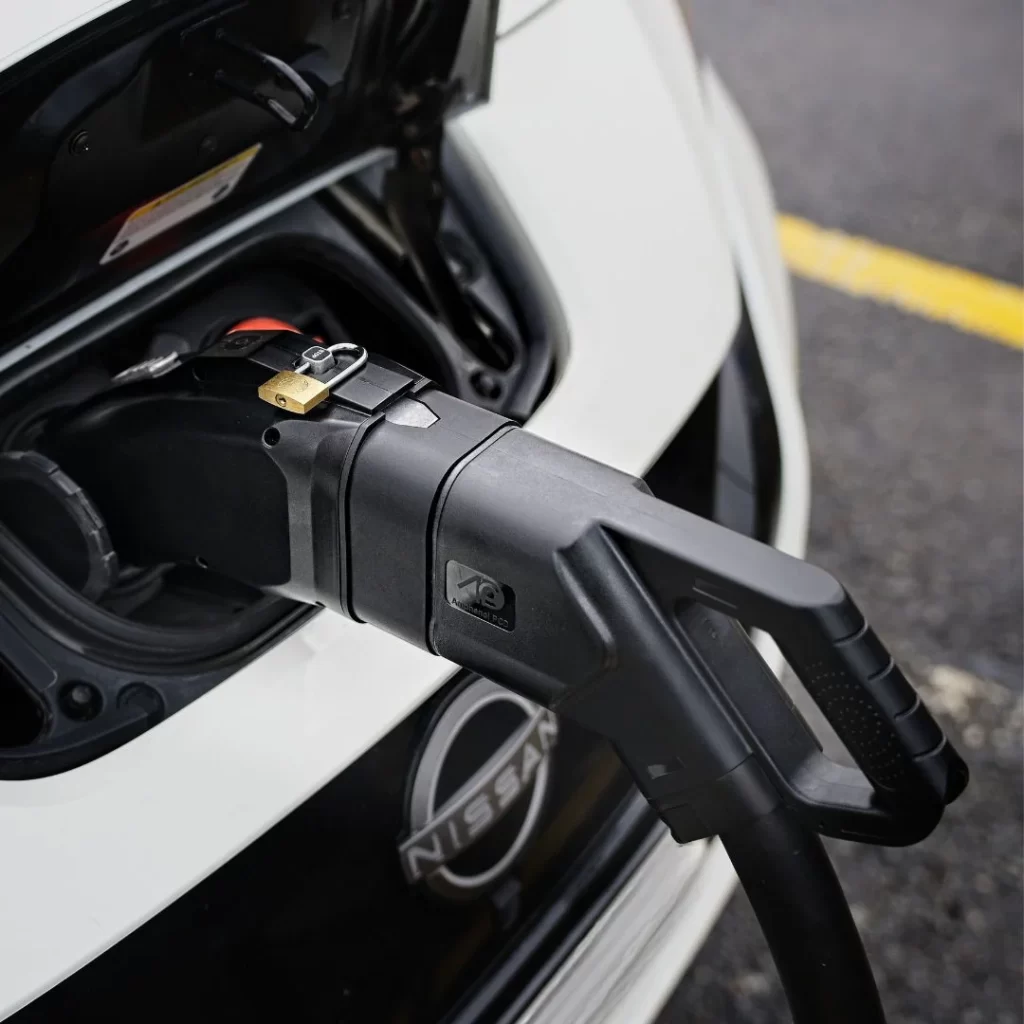
Charging your Nissan Leaf across Europe requires understanding the continent’s diverse charging networks, payment systems, and infrastructure. European EV charging has expanded significantly, making cross-border electric travel increasingly practical for CHAdeMO-equipped vehicles. Success depends on proper planning, knowing which networks support your vehicle, and understanding how to navigate different countries’ charging systems efficiently.
Topic foundation
Cross-border electric vehicle travel in Europe has grown tremendously as charging infrastructure expands across the continent. For Nissan Leaf owners, European journeys present unique considerations compared to other electric vehicles, particularly regarding CHAdeMO charging station availability and network compatibility. The European charging infrastructure primarily focuses on CCS connectors, making it essential to understand where CHAdeMO stations are located and how to plan routes accordingly.
Successful European travel with your Nissan Leaf requires answering several practical questions: Which networks provide reliable CHAdeMO access? How do you plan efficient charging routes? What payment methods work across borders? Understanding these elements helps you charge confidently across different countries and networks, turning potential challenges into manageable aspects of your journey.
What charging networks work best for Nissan Leaf drivers traveling through Europe?
For Nissan Leaf drivers, the most consistently CHAdeMO-compatible pan-European network is Fastned, which offers both CCS and CHAdeMO connectors at all stations (50 kW CHAdeMO and up to 400 kW CCS). Availability can vary slightly, so always verify in the Fastned app or map.
IONITY operates a dense high-power charging (HPC) network along major motorways across Europe, but CHAdeMO is only available at selected sites in countries such as France, the Netherlands, Belgium, Italy, and Austria, typically via legacy 50 kW multichargers.
Allego maintains a wide footprint across Western Europe; however, it is phasing out CHAdeMO—new sites are CCS-only, and older CHAdeMO units are being removed during upgrades.
Country-specific networks
In France, Izivia still supports CHAdeMO at many 50 kW stations, and TotalEnergies sites frequently include CHAdeMO on multistandard DC chargers, though availability is location-specific—always filter by connector type before travelling.
In Germany, EnBW’s HyperNetz provides extensive HPC coverage, but CHAdeMO is present only at certain legacy stations, as new EnBW sites are CCS-only.
In the Nordic region, Recharge operates stations in Norway, Sweden, and Finland with CCS and CHAdeMO connectors (typically 50 kW). Mer also runs a large Nordic network: all Mer sites include CCS, while CHAdeMO is available at many—but not all—locations.
CHAdeMO availability becomes more limited as you move into many parts of Southern and Eastern Europe — the standard has been declining across the continent as operators and OEMs favour CCS. Apps like PlugShare, Chargemap and A Better Route Planner (ABRP) let you filter searches by connector type (e.g. CHAdeMO), show user reviews and photos, and can display station status or recent user check-ins.
However, true real-time availability depends on whether the charger operator publishes live status to the app or roaming platforms, so availability indicators are sometimes user-reported rather than operator-supplied. For planning, always filter by connector and cross-check operator maps where possible.
How do you plan a charging route for a Nissan Leaf road trip across Europe?
Route planning for European Nissan Leaf travel starts with A Better Route Planner (ABRP), which calculates optimal charging stops based on your specific Leaf model, battery capacity, and driving conditions. Enter your starting point, destination, and vehicle details, then the tool suggests charging stations along your route with estimated arrival battery levels and charging times needed.
For best results, verify connector type compatibility (CHAdeMO vs. CCS) within ABRP or the linked charging network apps, as some newer stations may no longer support CHAdeMO. ABRP can integrate live data from certain networks, but real-time charger availability is only as accurate as the operator’s data feed.
PlugShare and Chargemap complement this by providing user reviews, photos, and station status updates, though live availability varies by operator and roaming integration.
Consider several factors when selecting charging stops: distance between stations should never exceed 80% of your realistic range, accounting for weather and terrain. Verify charging speed capabilities at each planned stop, as most CHAdeMO stations offer only 50kW whilst others provide faster charging. Always identify backup charging options within reasonable distance of your primary stops.
Seasonal considerations significantly affect planning. Winter travel requires more frequent charging stops due to reduced battery efficiency and heating demands. Summer routes through mountainous regions need careful attention to elevation changes. Build buffer time into your travel schedule, allowing 30-45 minutes per charging stop rather than minimum charging times. Research overnight accommodation with charging facilities, as destination charging reduces reliance on public fast charging and starts each day with full battery capacity.
What should you know about charging costs and payment methods in different European countries?
Charging costs vary dramatically across European countries and networks. Northern European countries typically charge per kWh. Some networks use per-minute pricing instead, which can become expensive if charging speeds are slower than expected. Southern European countries often have lower rates but less consistent pricing structures.
Payment methods present the biggest challenge for cross-border charging. Most networks require their specific app or RFID charging card for access. Some stations accept direct credit card payments, which are becoming increasingly common in Western Europe but remain less widespread in other regions. Roaming agreements between charging networks allow single-app access to multiple providers, though roaming fees or higher tariff tiers can still increase overall costs.
Subscription services like Plugsurfing, Chargemap Pass, or network-specific memberships offer reduced rates for frequent travellers. Compare subscription costs against pay-as-you-go pricing based on your expected charging frequency. Register with major network apps before departure to avoid connectivity issues or language barriers when setting up accounts abroad. Some networks restrict payment methods or account setup to users with SEPA-compatible bank accounts, making advance registration essential for smooth charging experiences.
How can you maximize your Nissan Leaf’s range during European travel?
Maximizing Nissan Leaf range during European travel combines driving technique with climate control management. Maintain steady speeds between 90-100 km/h on motorways rather than maximum legal speeds, as aerodynamic drag increases exponentially above these speeds. Use eco-driving mode to moderate acceleration and maximize regenerative braking effectiveness. Anticipate traffic flow to minimize unnecessary braking and acceleration cycles.
Climate control significantly impacts range, particularly in extreme temperatures. Pre-condition your battery whilst connected to charging stations before departure, bringing the cabin to comfortable temperature using grid power rather than battery energy. During travel, use seat heaters instead of cabin heating when possible, as they consume less energy. In summer, park in shade when available and use ventilation rather than air conditioning at lower speeds.
Temperature and terrain affect range substantially across European regions. Cold Scandinavian winters can reduce range by 30-40% compared to mild conditions. Alpine routes with significant elevation changes drain batteries on ascents but recover energy through regenerative braking on descents. Plan routes that minimize unnecessary elevation gain when practical. Coastal routes typically offer better range efficiency due to moderate temperatures and relatively flat terrain compared to inland mountainous alternatives.
What are the most common charging challenges when traveling through Europe and how do you solve them?
Occupied charging stations represent the most frequent challenge, particularly at popular motorway locations during peak travel times. Arrive with sufficient battery reserve to reach alternative stations if your planned stop is unavailable. Use apps showing real-time station status to check availability before arrival. Consider charging during off-peak hours like early morning or late evening when stations are less crowded.
Non-functional chargers occur regularly across all networks. Always identify backup charging options within your remaining range before beginning a charging attempt. Report malfunctioning equipment through the network’s app to help other drivers and expedite repairs. Keep network customer service numbers readily accessible, as phone support often resolves payment or connection issues faster than app-based help systems.
Incompatible payment systems and language barriers create frustration when apps malfunction or stations require unexpected authentication. Maintain charging cards or app access for multiple networks rather than relying on single providers. Understanding your rights as an EV driver varies by country, but most European nations require charging operators to provide functional equipment and clear pricing information.
Knowledge synthesis
Successful cross-border Nissan Leaf charging throughout Europe requires preparation, appropriate tools, and solid understanding of European charging infrastructure. The combination of reliable route planning apps, multiple network payment options, and range optimization techniques transforms potentially stressful journeys into manageable adventures. Western and Northern European routes offer the most developed CHAdeMO infrastructure, whilst Southern and Eastern European travel demands more careful planning and flexibility.
Begin with shorter international trips to nearby countries, building confidence and practical experience with different charging networks before attempting longer journeys. Each trip teaches valuable lessons about charging speeds, network reliability, and route planning that improve future travel experiences. European electric vehicle infrastructure continues expanding, making Nissan Leaf road trips increasingly practical across the continent.
For Nissan Leaf drivers who want true freedom to explore Europe without worrying about CHAdeMO limitations, the Longood CCS–CHAdeMO adapter available at Autonlaturit.com offers a simple and reliable solution. It’s the original, CE-marked model tested across multiple European charging networks, backed by a 2-year warranty and 30-day satisfaction guarantee. Discover how it can expand your charging options and make long-distance travel effortless → Explore the adapter